

Big Changes in Parliament: Digital Attendance and AI Set to Transform Lok Sabha
New Delhi: The Lok Sabha is set to witness major procedural and technological changes aimed at improving efficiency, discipline, and transparency in parliamentary functioning. From stricter attendance rules for Members of Parliament (MPs) to the expanded use of Artificial Intelligence (AI), the reforms signal a significant shift in how India’s Parliament operates.
Attendance Rules Tightened
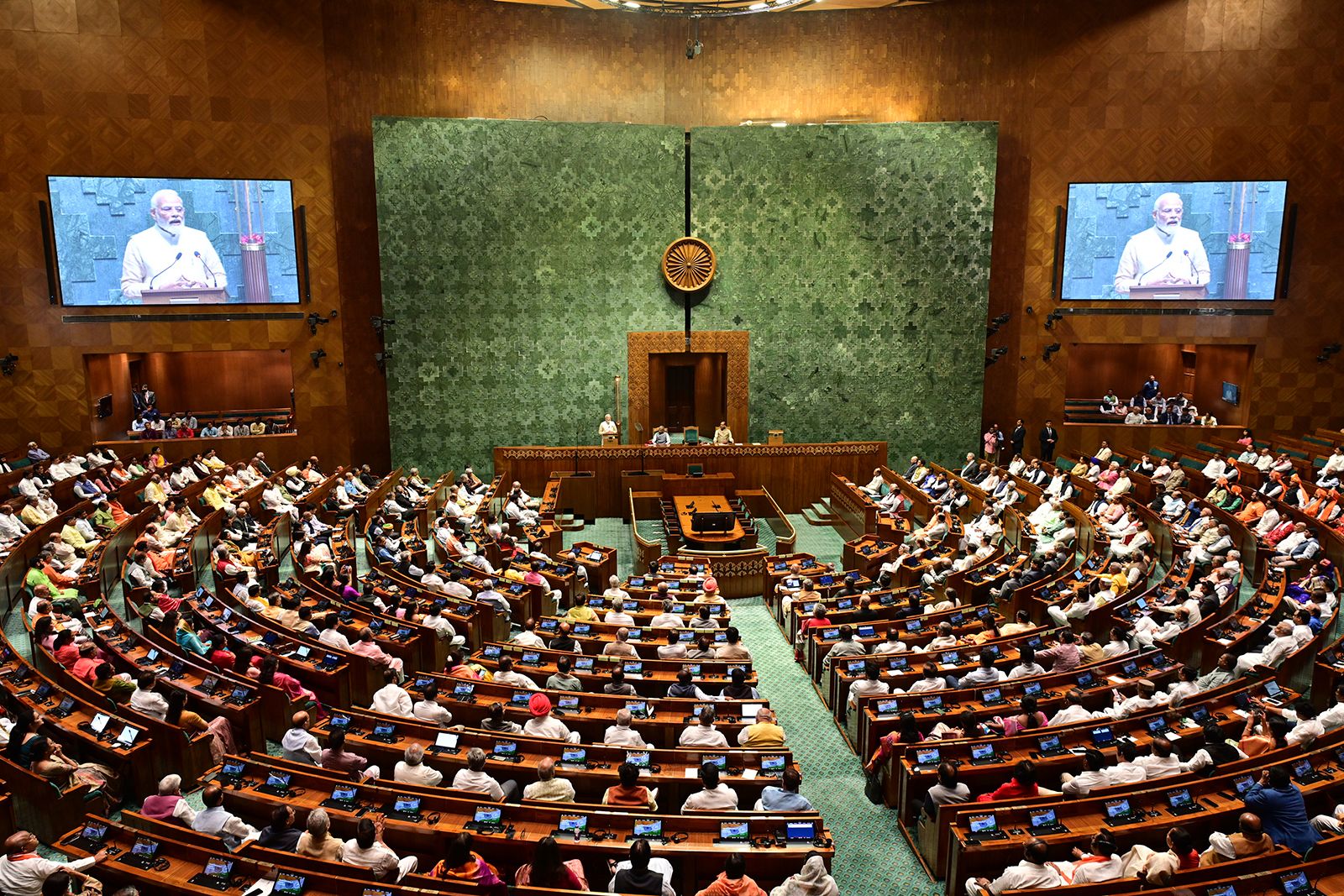
In a major move, MPs’ attendance will now be counted only if they are physically present inside the Lok Sabha chamber and seated at their allotted seats. Attendance registers that were earlier kept outside the House will be removed.
According to the new system:
MPs arriving late after the House has already been adjourned will not be marked present.
Absence will directly impact salary and daily allowances for that day.
The Lok Sabha Speaker clarified that the objective is to ensure meaningful participation rather than symbolic presence.
AI Enters Parliamentary Proceedings
Artificial Intelligence is being actively tested in Parliament, particularly for real-time speech translation. While proceedings are already fully digital, AI-based translation is currently operating at around 80% accuracy, with a target of achieving complete accuracy.
From the Monsoon Session, Parliament plans to roll out fully AI-driven translation systems, enabling faster and more inclusive communication across languages. Officials noted that tasks which earlier took nearly four hours can now be completed in about 30 minutes with AI support. The technology will also assist MPs in research and data analysis.
Message to the Opposition
The Speaker emphasized that the government’s priority is to keep the House running smoothly. Opposition members were assured of full freedom to speak and participate in debates, especially during discussions on the President’s Address.
Concern Over State Assemblies
A resolution was highlighted regarding State Legislatures, stating that every State Assembly should function for at least 30 days a year. Data from several states has raised concerns over declining sitting days, prompting calls for reform.
Debate on the Speaker’s Powers
Discussions are ongoing on whether the powers of the Speaker should have clearer limits, indicating possible future reforms to ensure balance and fairness in parliamentary conduct.
Towards a Paperless Legislature
India’s Parliament and most State Assemblies have already gone paperless, with proceedings live-streamed on platforms like YouTube. The government aims to complete the digitization of all legislative assemblies within the year, reinforcing the vision of a “Digital India.”
Impeachment Issue
On the impeachment-related matter concerning Justice Verma, authorities confirmed that an expert committee report is awaited. Further action will be decided once the report is submitted.